

The primary goal of this grant is to support groundbreaking research in Systemic Sclerosis, with the potential to enhance understanding and improve treatments.
Starting Grants for Young Investigator
The World Scleroderma Foundation (WSF) is pleased to announce the Starting Grant 2025, a funding opportunity aimed at supporting young investigators in the field of Systemic Sclerosis (SSc).
This program is designed to foster innovative, high-quality research by providing early-career scientists with the resources to launch their projects. The total available funding is €150,000, which will be awarded as five individual grants of €30,000 each.

Grant Objectives
Application Process
Interest Submission: Submit your application directly via the form on the WSF website. Do not upload a CV but provide directly in the form detailed information about the Principal Investigator (PI) and about the project. Ensure that all required fields are completed, including the project overview and team information.
Full Project Proposal Requirements:
- CV of the Principal Investigator (PI): Provide a detailed CV of the PI directly in the form.
- List of Participants: Include the names, affiliations, and email addresses of all participants.
- Full Project Proposal:
- State of the Art: Describe the current state of research in your project’s field.
- Aim: Clearly state the main aim of the project.
- Objectives: Outline the specific objectives the project intends to achieve.
- Methods: Detail the methods and approaches that will be used to carry out the project.
- Expected Results: Describe the anticipated outcomes and results of the project.
- Future Development: Explain how the project could develop in the future and its potential impact.
- Conflict of Interest Statement: Disclose any financial, personal, or professional interests that could influence the research.
- Budget: Provide a detailed budget outlining the financial requirements of the project.
Application Deadline: June 30th, 2025 at midnight (CEST)
Review Process: Applications will be evaluated by a panel of experts. Winners will be notified via email, and results will be published on the WSF website. Applicants are strongly advised to check both their email inbox and spam folder regularly to avoid missing notifications.

Eligibility Criteria
Open to young investigators under 35 years included. Applicants must hold a temporary or tenure position at an academic, scientific institution or hospital devoted to SSc patient care.
Requirement for the necessary infrastructure to conduct the research within the academic, scientific institution or hospital devoted to SSc patient care. The applicant or his institution should not have received a WSF grant in the years 2023-2024. We advice a diligent submission of signed terms and conditions.
Funding Details
Total funding of €150,000, offering five grants of €30,000 each.
The winners must utilize the funds within three years. They will be contacted by the WSF Central Office to sign an agreement outlining the milestones and payment details.
The Pincipal Invetigator must present the final or preliminary results at the next World Congress on Systemic Sclerosis 2026.
For any questions or further clarifications, please do not hesitate to contact us at info@worldsclerofound.org
The application process closed on Monday, June 30, 2025 at 23:59 hours (CEST)
Winning Projects 2025

Project Title: Identifying Early Fibrotic and Immune Pathways in Systemic Sclerosis Through Spatial Transcriptomic Analysis
Project Summary: Systemic sclerosis (SSc) is an autoimmune fibrotic disease with significant morbidity and no cure. Early intervention is hampered by the lack of precise
biological markers that define disease onset before clinical features become irreversible. The “Very Early Diagnosis of Systemic Sclerosis” (VEDOSS) subset
comprises individuals who exhibit minimal clinical signs and do not meet full classification criteria but are at high risk of progression.
Our central hypothesis is that SSc-linked fibrosis and immune dysregulation are already active at the tissue level in VEDOSS, and that spatially defined
signalling networks in the skin represent early drivers of disease pathogenesis. These pathways may be detectable before overt clinical progression, offering a
critical window for targeted preventive intervention.
Recent findings from our group have demonstrated that VEDOSS patients exhibit hallmark SSc-related fibrotic and immune changes in both skin tissue and
serum, supporting a biological diagnosis even in the absence of formal classification. This project aims to build on that insight by using spatial transcriptomics
and multi-omics integration to identify the molecular and cellular interactions that distinguish VEDOSS from healthy controls and established SSc.
Specifically, we aim to uncover early immune–fibroblast–epidermal crosstalk and vascular perturbations within the skin microenvironment, map ligand–
receptor interactions that may initiate fibrosis, and prioritise candidate pathways for early therapeutic targeting. This work will lay the foundation for
biomarker discovery and precision prevention strategies in SSc.

Project Title: Keratinocyte–Stromal Crosstalk as an Early and Targetable Driver of Immune–Fibrotic Circuits in Systemic Sclerosis
Project Summary: Systemic sclerosis (SSc) is a rare but life-threatening multi-organ autoimmune disease with limited therapeutic options. This project challenges the traditional
paradigm of vascular injury as the primary trigger, focusing instead on the epithelial compartment as a potential initiator of disease. Given the consistent
involvement of epithelial-rich organs—skin, gastrointestinal tract, and lungs—and their exposure to environmental risk factors for fibrogenesis such as
organic solvents, silica dust, and microbial antigens, we hypothesize that epithelial injury is an initiating event and key driver of immune–stromal
dysregulation in predisposed individuals. While prior research has explored epithelial–stromal interactions in skin fibrosis, keratinocytes have largely been
viewed as passive bystanders. Emerging evidence, however, suggests active bidirectional communication between keratinocytes and fibroblasts via
inflammatory cytokines, highlighting a potential role for epithelial cells in perpetuating pathogenic circuits.
Our bioinformatic deconvolution of bulk transcriptomic data from fibrotic SSc skin revealed significant shifts in keratinocyte subpopulations: enrichment of
proliferative and gap junction–associated keratinocytes, and depletion of sebaceous gland–derived keratinocytes, suggesting compromised epithelial barrier
integrity. Further, our scRNA-seq analysis of pre-SSc skin compared to healthy donors identified keratinocytes as early pathogenic drivers, showing the
highest number of differentially expressed genes across all skin cell types, with downregulation in ECM-related pathways (COL4A2, COL14A1, COL5A2),
indicating early epithelial–matrix disorganization. Given our preliminary transcriptomic results, our aim is to dissect altered keratinocyte signaling across
disease stages (pre-SSc to fibrotic skin) and investigate their crosstalk with stromal compartments to identify targetable cellular interactions for therapeutic
intervention in fibrogenesis.

Project Title: Role of circulating calcifying cells and calcifying extracellular vesicles in the pathogenesis of calcinosis cutis in Systemic Sclerosis
Project Summary:
Calcinosis cutis (CC) affects 20–40% of systemic sclerosis (SSc) patients and involves calcium deposits in the skin, often at mechanically stressed sites. Its
pathogenesis is unclear but linked to inflammation, ischemia, and trauma. CC remains a major unmet therapeutic need in SSc.
This project aims to:
1. Elucidate the microenvironmental factors contributing to the development of CC in SSc including measures of mineralization promoters (e.g., osteonectin,
osteopontin, osteoprotegerin, Dickkopf-1) and inhibitors (notably Fetuin-A) and serum calcification propensity
2. Identify and characterize the presence and phenotype of calcifying cells in SSc patients with and without CC.
3. Characterize the calcifying EVs released by calcifying cells, with a focus on their composition and potential role in promoting ectopic calcification.

Project Title: Identification of Pathophysiological Mechanisms and Therapeutic Targets in SSc Myopathy: An OMIC-Based and Targeted Muscle Analysis to Guide Drug Repurposing
Project Summary : Systemic sclerosis (SSc) is characterized by autoimmunity, vasculopathy and fibrosis of the skin
and internal organs, making SSc the rheumatic disease with the highest morbidity and mortality despite recent improvements in survival. SSc prognosis is
heterogeneous, depending on both the severity and the type of organ involvement. Several SSc subsets can be discerned based on the extent of skin
involvement, organ involvements and auto-antibodies.
Muscle involvement (SSc myopathy) is a frequent manifestation of SSc and is link to poorer quality of life and increased risk of severe other organ
involvements including dysphagia, interstitial lung disease, myocarditis and renal crisis. SSc myopathy has been associated with peculiar auto-antibodies
(such as anti-PM/Scl,
-Ku,
-U1-RNP). In addition to these serological hallmarks, our group and others have identified that SSc myopathy muscle biopsy is
characterized by capillaropathy, fibrosis and major histocompatibility complex type II positive myofibers that enable this condition to be recognized versus
the other inflammatory myopathies (IM) and indicate that the pathomechanisms underlying SSc myopathy are different from the other IM.
Unlike other organ involvements, SSc myopathy treatment remains poorly defined, and aside from the limitation of corticosteroid use (because of the risk of
renal crisis), the treatment is not different from the other IM. Thus, there is a need to improve the knowledge of the pathomechanisms that underly myopathy
in SSc to identify candidate innovative therapeutical strategies for this condition.

Project Title: Bad Clones, Bad Lungs: Unmasking Topoisomerase I-specific B Cells in Systemic Sclerosis–Associated ILD
Project Summary: Systemic sclerosis (SSc) is characterized by distinct autoantibodies linked to specific clinical phenotypes. Among these, anti-topoisomerase I seropositive
(ATA⁺) patients represent the most severe subgroup, with a high risk of interstitial lung disease (ILD)—the leading cause of SSc-related mortality. Despite
stratification by autoantibodies, disease progression remains unpredictable due to marked heterogeneity, and no validated biomarkers exist to guide
treatment or assess ILD risk.
Recent insights from B cell–targeted therapies (e.g., anti-CD19 or anti-BCMA CAR T cells) not only highlight the central role of B cells in SSc pathogenesis, but
also the unprecedented, transformative potential of these interventions.
We recently demonstrated that ATA⁺ patients exhibit a highly active autoreactive B cell response, with spontaneous secretion of ATA-IgG and ATA-IgA from
circulating plasmablasts (PMID: 32840062, 37507206). ATA-IgG levels correlate with ILD severity, while ATA-IgA suggests recent mucosal activation and pro-
fibrotic signaling such as mediated by TGF-β (PMID: 2788703, 2677210).
In progressive SSc-ILD, we observed systemic inflammation and infiltration of cytotoxic immune cells with pro-fibrotic properties in affected skin and lungs
(PMID: 38123919). These cells express Fcγ receptors, enabling them to respond to immune complexes or opsonized cells—mediated by e.g. ATA-IgG binding
to topoisomerase I on stressed/apoptotic cells—
, thereby triggering antibody-dependent cytotoxicity or pro-fibrotic cytokine-release (like TGF-β and IL-13
(PMID: 36436353).
We hypothesize that autoreactive Topoisomerase I-specific B cells drive ILD progression via autoantibody production, cytokine release, and immune complex
formation. Our aim is to characterize their phenotype and function to improve risk stratification and therapeutic targeting in SSc.
Winning Projects 2024
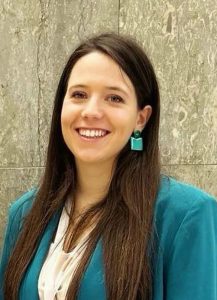
Project Title: Developing a novel lung on a chip device to investigate the main pathophysiological steps of Systemic Sclerosis interstitial lung disease
Project Summary: The aim of our project is to validate a 3D microchip model of the lung alveoli which may overcome the limitations of previous microfluidic lung. This newdevice may faithfully recapitulate the alveolar structure, as well as the function and the cellular crosstalk, enabling the investigation of the processes involved
in ILD genesis.The new 3D biomimetic microsystem will reconstitute the functional interface among alveolar epithelial cells, ECM resident fibroblast and endothelial cells.
Moreover, it will recreate the flow of fluid, immune cells, and other regulatory factors through the microvascular endothelium along with the dynamic mechanical forces of breathing movements that are critical for the development and function of living lung.
To validate our system as a model for studying SSc ILD:
1) we will stimulate the cellular components with factors that play a crucial role in SSc ILD: TGF-beta, TNF alpha and IFN type I and γ, and we will recreate
oxidative stress in the endothelial compartment by hydrogen peroxide (H(2)O(2)) injection to simulate circulating reactive oxygen species (ROS).
2) We will then examine i) collagen deposition, epithelial to mesenchymal (EMT), endothelial to mesenchymal (EndoMT) and fibroblast to myofibroblast
transition by immunofluorescence, qPCR and transcriptomic analysis; and ii) KL-6 levels in the alveolar and endothelial compartment (ELISA).
Project Summary: The aim of our project is to validate a 3D microchip model of the lung alveoli which may overcome the limitations of previous microfluidic lung. This newdevice may faithfully recapitulate the alveolar structure, as well as the function and the cellular crosstalk, enabling the investigation of the processes involved
in ILD genesis.The new 3D biomimetic microsystem will reconstitute the functional interface among alveolar epithelial cells, ECM resident fibroblast and endothelial cells.
Moreover, it will recreate the flow of fluid, immune cells, and other regulatory factors through the microvascular endothelium along with the dynamic mechanical forces of breathing movements that are critical for the development and function of living lung.
To validate our system as a model for studying SSc ILD:
1) we will stimulate the cellular components with factors that play a crucial role in SSc ILD: TGF-beta, TNF alpha and IFN type I and γ, and we will recreate
oxidative stress in the endothelial compartment by hydrogen peroxide (H(2)O(2)) injection to simulate circulating reactive oxygen species (ROS).
2) We will then examine i) collagen deposition, epithelial to mesenchymal (EMT), endothelial to mesenchymal (EndoMT) and fibroblast to myofibroblast
transition by immunofluorescence, qPCR and transcriptomic analysis; and ii) KL-6 levels in the alveolar and endothelial compartment (ELISA).

Project Title: Investigating the Role of TCL1A in Systemic Sclerosis
Project Summary: To explore how transitional B cells breach tolerance and contribute to pathogenesis, we have performed single-cell RNA-sequencing using sorted transitional
B cells from anti-topoisomerase I (ATA)-positive patients and healthy controls (HCs). This study has revealed important transcriptomic differences in
transitional B cells from SSc patients compared with HCs. Crucially, we identified that transitional B cells from SSc patients overexpressed TCL1A (TCL1
Family AKT Coactivator A) which mediates B cell survival, tertiary lymphoid structure formation and antibody production (Xie et al, 2021). Importantly, TCL1A
is also upregulated within lesional SSc skin, supporting the hypothesis that TCL1A+ B cells could contribute to SSc pathogenesis (Clark et al, 2022).
Mechanistically, TCL1A can enhance B cell survival by coactivating AKT, promoting AKT-induced survival and B cell proliferation, as well as binding to the
NFkB inhibitor IkB and binding the AP-1 component FOS leading to anti-apoptotic signalling.To evaluate the significance of this novel B cell signature, we will inhibit TCL1A in vitro and assess subsequent B cell apoptosis and autoantibody production
in SSc patients and HCs. Our preliminary data suggests that the TCL1A pathway is shared across SSc autoantibody subsets and not contained to only ATApositive patients. We will confirm this by comprehensive flow cytometry and qPCR as our first aim for this project. We hope that by targeting TCL1A, we can
gain further understanding of autoantibody production in SSc and develop novel therapies to suppress this in the future.
Project Summary: To explore how transitional B cells breach tolerance and contribute to pathogenesis, we have performed single-cell RNA-sequencing using sorted transitional
B cells from anti-topoisomerase I (ATA)-positive patients and healthy controls (HCs). This study has revealed important transcriptomic differences in
transitional B cells from SSc patients compared with HCs. Crucially, we identified that transitional B cells from SSc patients overexpressed TCL1A (TCL1
Family AKT Coactivator A) which mediates B cell survival, tertiary lymphoid structure formation and antibody production (Xie et al, 2021). Importantly, TCL1A
is also upregulated within lesional SSc skin, supporting the hypothesis that TCL1A+ B cells could contribute to SSc pathogenesis (Clark et al, 2022).
Mechanistically, TCL1A can enhance B cell survival by coactivating AKT, promoting AKT-induced survival and B cell proliferation, as well as binding to the
NFkB inhibitor IkB and binding the AP-1 component FOS leading to anti-apoptotic signalling.To evaluate the significance of this novel B cell signature, we will inhibit TCL1A in vitro and assess subsequent B cell apoptosis and autoantibody production
in SSc patients and HCs. Our preliminary data suggests that the TCL1A pathway is shared across SSc autoantibody subsets and not contained to only ATApositive patients. We will confirm this by comprehensive flow cytometry and qPCR as our first aim for this project. We hope that by targeting TCL1A, we can
gain further understanding of autoantibody production in SSc and develop novel therapies to suppress this in the future.

Project Title: Investigating Macrophage Roles in Calcinosis Cutis Development Through Innovative In Vitro Methods
Project Summary: Calcinosis is a severe and painful skin manifestation of Systemic Sclerosis (SSc) affecting up to 23% of patients [1]. It often presents in the fingers and areas of minor trauma, significantly restricting mobility and increasing patient burden. This complication is associated with longer disease duration, digital ulcers,
and acro-osteolysis. However, the pathogenesis of calcinosis remains poorly understood due to the lack of accurate models. To address this gap, we propose
a novel in vitro method to investigate calcinosis, focusing on macrophage-induced osteoblast differentiation leading to calcium deposits.
In SSc, macrophages are dysregulated, promoting inflammation and fibrosis. These immune cells exhibit M1 (pro-inflammatory) and M2 (pro-fibrotic)
phenotypes, with M1 macrophages secreting IL-1, TNF-alpha, and IL-6, and M2 macrophages releasing anti-inflammatory cytokines [2]. Prolonged
inflammation, linked to longer disease duration, impacts processes involved in calcinosis, including vascular dysfunction and bone metabolism. The
similarities in composition between these deposits and bone suggest that dysregulated osteoblast differentiation is central to calcinosis. Mesenchymal stem
cells (MSCs), have been shown to undergo osteogenic transformation when exposed to SSc tissue fluid, leading to hydroxyapatite deposits, the primary
component of calcinosis [3]. Notably, a similar mechanism has been observed in calcified aortic valve disease, suggesting MSC-osteoblast differentiation
underlying clacinosis [4]. Blood vessel damage in SSc may lead to persistent inflammation, M1 macrophage activation, and stem cell recruitment. M2
macrophages and fibrosis might then influence stem cell differentiation, leading to osteoblast activation and calcium deposition. These macrophages release
factors like TGF-β, Activin A, and BMP-2, which upregulate RUNX-2 in MSCs, driving osteoblast differentiation.By employing our in vitro co-culture model of fat-derived mesenchymal cells and macrophages from SSc patients, we aim to investigate the role of macrophages in calcium deposit formation and their contribution to osteoblast differentiation. This model has already demonstrated a significant increase in calcium hydroxyapatite deposits, supporting our hypothesis [5]. To further this investigation, we will perform immunohistochemistry on affected tissue to
study the co-localization of macrophages, stem cells, and osteoblasts. Additionally, we will explore the role of Activin A, elevated in SSc patients, using
Sotatercept, a drug currently used for pulmonary arterial hypertension, to assess its impact on macrophage-induced calcium deposits and osteoblast
differentiation. Together with transcriptomic and proteomic analyses, this comprehensive approach will allow us to unravel the underlying mechanisms of
calcinosis and identify potential therapeutic interventions to alleviate the burden of this severe complication in SSc patients.
Project Summary: Calcinosis is a severe and painful skin manifestation of Systemic Sclerosis (SSc) affecting up to 23% of patients [1]. It often presents in the fingers and areas of minor trauma, significantly restricting mobility and increasing patient burden. This complication is associated with longer disease duration, digital ulcers,
and acro-osteolysis. However, the pathogenesis of calcinosis remains poorly understood due to the lack of accurate models. To address this gap, we propose
a novel in vitro method to investigate calcinosis, focusing on macrophage-induced osteoblast differentiation leading to calcium deposits.
In SSc, macrophages are dysregulated, promoting inflammation and fibrosis. These immune cells exhibit M1 (pro-inflammatory) and M2 (pro-fibrotic)
phenotypes, with M1 macrophages secreting IL-1, TNF-alpha, and IL-6, and M2 macrophages releasing anti-inflammatory cytokines [2]. Prolonged
inflammation, linked to longer disease duration, impacts processes involved in calcinosis, including vascular dysfunction and bone metabolism. The
similarities in composition between these deposits and bone suggest that dysregulated osteoblast differentiation is central to calcinosis. Mesenchymal stem
cells (MSCs), have been shown to undergo osteogenic transformation when exposed to SSc tissue fluid, leading to hydroxyapatite deposits, the primary
component of calcinosis [3]. Notably, a similar mechanism has been observed in calcified aortic valve disease, suggesting MSC-osteoblast differentiation
underlying clacinosis [4]. Blood vessel damage in SSc may lead to persistent inflammation, M1 macrophage activation, and stem cell recruitment. M2
macrophages and fibrosis might then influence stem cell differentiation, leading to osteoblast activation and calcium deposition. These macrophages release
factors like TGF-β, Activin A, and BMP-2, which upregulate RUNX-2 in MSCs, driving osteoblast differentiation.By employing our in vitro co-culture model of fat-derived mesenchymal cells and macrophages from SSc patients, we aim to investigate the role of macrophages in calcium deposit formation and their contribution to osteoblast differentiation. This model has already demonstrated a significant increase in calcium hydroxyapatite deposits, supporting our hypothesis [5]. To further this investigation, we will perform immunohistochemistry on affected tissue to
study the co-localization of macrophages, stem cells, and osteoblasts. Additionally, we will explore the role of Activin A, elevated in SSc patients, using
Sotatercept, a drug currently used for pulmonary arterial hypertension, to assess its impact on macrophage-induced calcium deposits and osteoblast
differentiation. Together with transcriptomic and proteomic analyses, this comprehensive approach will allow us to unravel the underlying mechanisms of
calcinosis and identify potential therapeutic interventions to alleviate the burden of this severe complication in SSc patients.
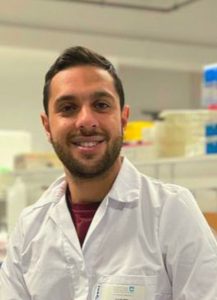
Project Title: Biomarkers of interstitial lung disease severity in systemic sclerosis by plasma proteome analysis
Project Summary: The aim of the herein project is to develop an original approach to determine new molecules that could predict ILD outcomes using plasma proteome
analyses. We will use mass spectrophotometry allowing a quantitative non-targeted approach and thus allowing to potentially discover unexpected hallmarks
of the disease pathology. It will be performed at Cochin Institute Proteomic facility that received the best labeled qualification in the domain. We will take
advantage of our biobank of SSc samples. We will include and compare the plasma from 15 patients free of ILD, 15 patients with ILD but without criteria for
progression in the subsequent 2 years, and 15 SSc-ILD samples of patients with known ILD progression in the next 2 years. Criteria for progression will be
those used in the INBUILD trial. Patients from the 3 groups will be matched for ethnicity, cutaneous subset, disease duration, autoantibodies, demographic
criteria and also baseline forced vital capacity for the 2 groups with ILD. We will perform 2 steps of analyses by comparing SSc free of ILD versus SSc-ILD
patients (15 versus 30) and then SSc-ILD progressive versus non-progressive (15 versus 15). The levels of expression of the thousands of proteins will be
compared (quantitative analyses) and then protein functions and pathways will be compared (qualitative analyses). Top molecules will be selected and
measured (ELISA) in additional samples coming from our remaining plasma samples and also from 2 partners which are also referral centers for SSc
(Bordeaux -France and Leeds – UK). We then plan to investigate the best molecules more broadly using cells and tissues that are available in our lab
together with animal models such as the Fra2 transgenic mice that exhibits an ILD progressive phenotype and is routinely used by our team. Following these
various steps, we aim at discovering new markers and players in the dreadful subphenotype that is SSc-ILD.
Project Summary: The aim of the herein project is to develop an original approach to determine new molecules that could predict ILD outcomes using plasma proteome
analyses. We will use mass spectrophotometry allowing a quantitative non-targeted approach and thus allowing to potentially discover unexpected hallmarks
of the disease pathology. It will be performed at Cochin Institute Proteomic facility that received the best labeled qualification in the domain. We will take
advantage of our biobank of SSc samples. We will include and compare the plasma from 15 patients free of ILD, 15 patients with ILD but without criteria for
progression in the subsequent 2 years, and 15 SSc-ILD samples of patients with known ILD progression in the next 2 years. Criteria for progression will be
those used in the INBUILD trial. Patients from the 3 groups will be matched for ethnicity, cutaneous subset, disease duration, autoantibodies, demographic
criteria and also baseline forced vital capacity for the 2 groups with ILD. We will perform 2 steps of analyses by comparing SSc free of ILD versus SSc-ILD
patients (15 versus 30) and then SSc-ILD progressive versus non-progressive (15 versus 15). The levels of expression of the thousands of proteins will be
compared (quantitative analyses) and then protein functions and pathways will be compared (qualitative analyses). Top molecules will be selected and
measured (ELISA) in additional samples coming from our remaining plasma samples and also from 2 partners which are also referral centers for SSc
(Bordeaux -France and Leeds – UK). We then plan to investigate the best molecules more broadly using cells and tissues that are available in our lab
together with animal models such as the Fra2 transgenic mice that exhibits an ILD progressive phenotype and is routinely used by our team. Following these
various steps, we aim at discovering new markers and players in the dreadful subphenotype that is SSc-ILD.

Project Title: Sharpshooting plasma cells in Scleroderma by autoantigen-specific detection and targeting
Project Summary: Systemic sclerosis/scleroderma (SSc) is a devastating disease characterized by extensive autoimmune reactions and fibrosis mainly in skin and lung tissue,leading to deadly complications. Autoantibodies and B-cells are present early on in skin biopsies of patients with developing SSc, suggesting a prominent role of B-cells in SSc pathogenesis and individuals with additional SSc-specific autoantibodies (against topoisomerase-I, RNA polymerase-III and centromereproteins) are more likely to progress to overt SSc. Patients with autoantibodies against topoisomerase-I and RNA polymerase-III typically have the active and rapidly progressing type of diffuse cutaneous SSc. Fully established SSc further displays overactivated B-cells, increased frequencies of plasma cells,plasmablasts, and naïve B-cells. However, the pathogenic role of autoantibodies and autoreactive B-cell or plasma cells is currently insufficiently addressed in SSc and the direct detection of autoreactive cells within the B-cell linage is not available so far. We hypothesize that assessment of autoreactive B-cells in patients suffering from SSc is applicable to SSc patient stratification and evaluation of clinical trials and leads to new insights into SSc disease progression.
Consequently, we aim to establish a flow cytometry based detection system for autoreactive B-cells in the context of SSc, quantify their abundance in blood
samples of SSc patients and link the results to various parameters of disease severities. Our longitudinal SSc patient cohort and SSc samples from
collaborating centers thereby allow to compare B-cell and disease characteristics cross-sectionally at the sampling timepoint as well as prospectively due to
availability of patient data from consecutive visits after blood collection. Furthermore, we will generate immortalized cell lines of those autoreactive B-cells to validate and verify the specificity of this new detection system to exclude unspecific staining and false-positive cells. We will also use those immortalized autoreactive cells to test a novel, highly selective targeting approach. This technique has been tested with model antigens (like ovalbumin) but can be applied to autoreactive cells, thereby, depleting antibody-secreting cells solely based on their expression of autoreactive antibodies in an in-vitro proof-ofprinciple setup within this project. In summary, this herewith proposed project will address the blind spot of B-cell autoreactivity in SSc, investigate its applicability to better understand SSc pathogenesis and progression as well as patient stratification, but will also take an important step toward personalized, selective targeting approaches to overcome current shortcomings of SSc treatment.
Project Summary: Systemic sclerosis/scleroderma (SSc) is a devastating disease characterized by extensive autoimmune reactions and fibrosis mainly in skin and lung tissue,leading to deadly complications. Autoantibodies and B-cells are present early on in skin biopsies of patients with developing SSc, suggesting a prominent role of B-cells in SSc pathogenesis and individuals with additional SSc-specific autoantibodies (against topoisomerase-I, RNA polymerase-III and centromereproteins) are more likely to progress to overt SSc. Patients with autoantibodies against topoisomerase-I and RNA polymerase-III typically have the active and rapidly progressing type of diffuse cutaneous SSc. Fully established SSc further displays overactivated B-cells, increased frequencies of plasma cells,plasmablasts, and naïve B-cells. However, the pathogenic role of autoantibodies and autoreactive B-cell or plasma cells is currently insufficiently addressed in SSc and the direct detection of autoreactive cells within the B-cell linage is not available so far. We hypothesize that assessment of autoreactive B-cells in patients suffering from SSc is applicable to SSc patient stratification and evaluation of clinical trials and leads to new insights into SSc disease progression.
Consequently, we aim to establish a flow cytometry based detection system for autoreactive B-cells in the context of SSc, quantify their abundance in blood
samples of SSc patients and link the results to various parameters of disease severities. Our longitudinal SSc patient cohort and SSc samples from
collaborating centers thereby allow to compare B-cell and disease characteristics cross-sectionally at the sampling timepoint as well as prospectively due to
availability of patient data from consecutive visits after blood collection. Furthermore, we will generate immortalized cell lines of those autoreactive B-cells to validate and verify the specificity of this new detection system to exclude unspecific staining and false-positive cells. We will also use those immortalized autoreactive cells to test a novel, highly selective targeting approach. This technique has been tested with model antigens (like ovalbumin) but can be applied to autoreactive cells, thereby, depleting antibody-secreting cells solely based on their expression of autoreactive antibodies in an in-vitro proof-ofprinciple setup within this project. In summary, this herewith proposed project will address the blind spot of B-cell autoreactivity in SSc, investigate its applicability to better understand SSc pathogenesis and progression as well as patient stratification, but will also take an important step toward personalized, selective targeting approaches to overcome current shortcomings of SSc treatment.
World Scleroderma Foundation
Elisabethenstrasse 3, 4051
Basel, Switzerland
E-mail: info@worldsclerofound.org
WSF Managing Director
Esmeralda Recalde Leon, MSc, BSc